Competitor Review Attack Recovery — Defend Your Business
Detect coordinated fake review campaigns, document the evidence, and recover your reputation through proper dispute channels and legal options. Emergency response for businesses in Australia and the USA.
Signs Your Business Is Under Competitor Attack
Competitor review attacks often follow recognisable patterns. If you notice any of these signs, act immediately — the longer fake reviews remain, the more damage they cause.
Sudden Review Spike
The most obvious indicator is a sudden burst of negative reviews over a short period — typically 3 to 10 negative reviews appearing within a few days. If your business normally receives 2-3 reviews per month and suddenly gets 8 negative reviews in a week, this is a strong signal of coordinated activity rather than organic customer feedback.
New or Empty Reviewer Profiles
Fake reviewers typically use newly created accounts or accounts with minimal history. If the negative reviews are coming from profiles with no profile photo, no other reviews, or accounts that were created around the same time, this is a red flag. Genuine customers typically have established Google accounts with review histories.
Competitor Positive Reviews
A telltale sign of competitor involvement is when the accounts leaving you negative reviews have also left positive reviews for a specific competitor. This cross-review pattern is one of the strongest indicators we use to establish competitor attribution. When the same accounts praise your competitor and attack your business, the connection is compelling.
Similar Language Patterns
Reviews written by the same person or generated by the same review farm often share similar language patterns, sentence structures, and vocabulary. Our linguistic analysis tools detect these patterns — even when the writer has tried to vary their language. Phrases that seem templated or reviews that all focus on the same specific complaint (especially one you don't recognise) are strong indicators.
Geographic Impossibility
If your business serves a specific local area and you're receiving negative reviews from accounts based in entirely different states, countries, or regions, this is suspicious. A plumber in Sydney shouldn't be receiving negative reviews from accounts that primarily review businesses in Dallas. Geographic inconsistency is a strong indicator of a coordinated fake review campaign.
Timing Correlation
Competitor attacks often correlate with specific business events — you launched a new promotion, won an award, appeared in local media, or moved to a new location that threatens a competitor's territory. If the negative review spike coincides with a moment when your business became more visible or more competitive, the timing itself is evidence.
What to Do Immediately
If you suspect your business is under a competitor review attack, time is critical. Every day fake reviews remain on your profile, they damage your rating, reduce your local search visibility, and drive away potential customers. Here's what to do right now.
Do not respond publicly with accusations. It's tempting to call out fake reviews in your public responses, but this can backfire. Accusing reviewers of being fake without proof can make you look unprofessional to the thousands of potential customers reading your reviews. Save the evidence documentation for the dispute process.
Document everything. Take screenshots of every suspected fake review, including the reviewer's profile, their other reviews, and the timestamps. This documentation is critical for both the dispute process and any potential legal action.
Contact us for an emergency assessment. Our team can begin analysing the attack within 48 hours. We'll identify the scope, assess the evidence, and initiate disputes through the most effective channels. The sooner we start, the sooner the fake reviews can be addressed.
Continue encouraging genuine reviews. While we work on disputing the fake reviews, continue asking your satisfied customers to leave honest reviews. New genuine positive reviews help offset the impact of the attack on your overall rating while disputes are processed.
Do not retaliate. Under no circumstances should you post fake negative reviews on your competitor's profile. This is unethical, violates Google's policies, and could expose you to legal liability. Let us handle the situation through proper channels.
Detection & Dispute Strategy
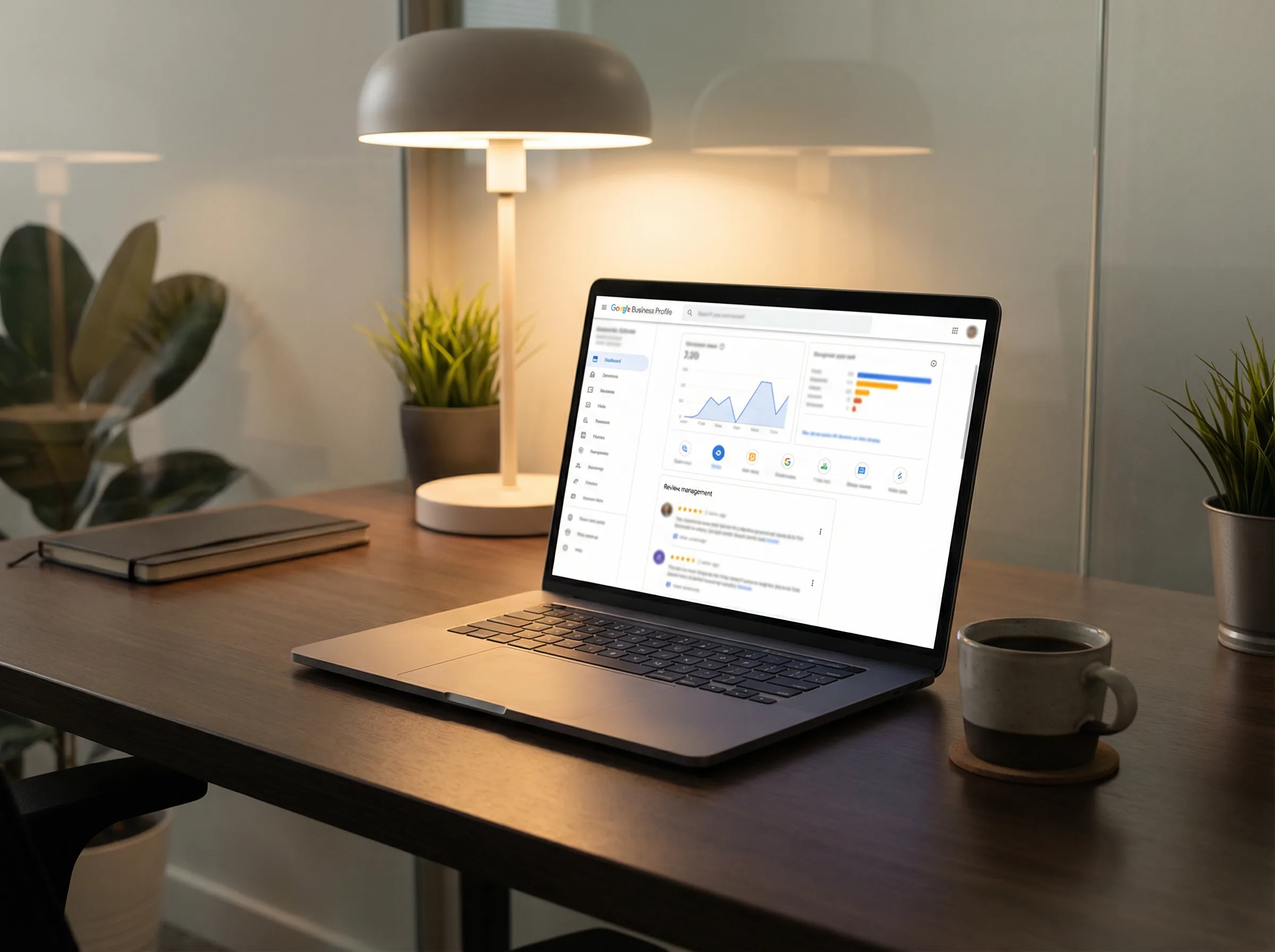
Our competitor attack recovery process is designed for speed, thoroughness, and maximum effectiveness.
Emergency Assessment
Within 48 hours of contact, our team conducts a full analysis of the suspected attack. We examine every negative review, assess reviewer profiles, map timing patterns, check for competitor connections, and determine the scope and severity of the attack. You receive a detailed assessment report.
Evidence Documentation
For each identified fake review, we compile a comprehensive evidence package. This includes reviewer profile screenshots, competitor cross-reference data, timing analysis, linguistic pattern reports, and geolocation data. This evidence forms the backbone of every dispute and is preserved for potential legal use.
Multi-Channel Dispute
We submit disputes through multiple channels simultaneously to maximise speed and effectiveness. Obvious spam is flagged immediately. Complex cases are escalated through GBP support with full evidence packages. If the attack is severe and clearly traceable to a competitor, we recommend legal action and coordinate with our legal partners.
Recovery & Prevention
After disputes are processed, we implement a recovery plan — including accelerated review generation from genuine customers, reputation monitoring to catch repeat attacks, and ongoing protective measures. We also advise on legal options including cease and desist letters to deter future attacks.
Legal Options for Competitor Attacks
Competitor fake review campaigns aren't just unethical — they're often illegal. Here's how the law protects your business.
Cease and Desist
When our investigation identifies the competitor responsible for the attack, a formal cease and desist letter is often the fastest way to stop it. These letters put the competitor on notice that their activity has been documented, that it violates applicable laws, and that continued activity will result in further legal action. In our experience, a well-drafted cease and desist stops approximately 80% of competitor attacks immediately because the competitor realises they've been caught and faces real legal exposure.
Regulatory Complaints
In Australia, fake reviews by competitors may constitute misleading or deceptive conduct under the Australian Consumer Law (ACL), which the ACCC can investigate and prosecute. In the USA, the FTC has issued specific rules against fake reviews and taken enforcement action, including significant fines. Filing a regulatory complaint creates a formal record and can trigger investigations that impose real consequences on bad actors. We help document and file these complaints with the relevant bodies.
Civil Litigation
For severe cases with documented financial damages, civil litigation may be appropriate. Fake reviews that cause quantifiable revenue loss can form the basis of a damages claim against the competitor. In both Australia and the USA, courts have awarded significant damages in fake review cases. While litigation is the most expensive option, it can provide the strongest deterrent and compensate your business for the harm caused.
Google Legal Removal
For reviews that are defamatory or contain false statements of fact, Google accepts legal removal requests supported by evidence. Court orders finding content to be defamatory are particularly effective — Google generally complies with valid court orders from both Australian and US courts. We coordinate with legal counsel to pursue this pathway when platform-based dispute channels alone are insufficient.
From Attack to Full Recovery
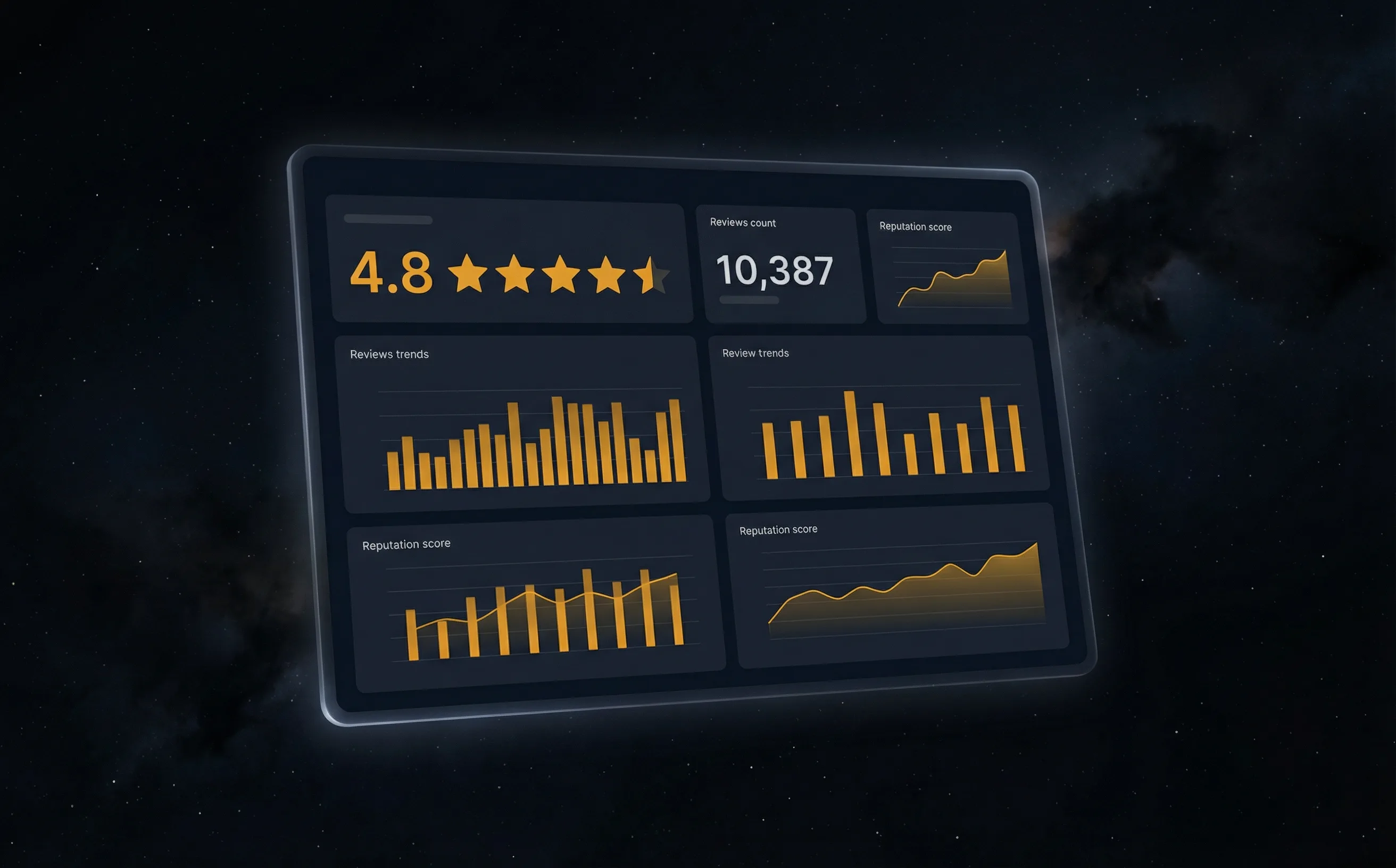
Recovery from a competitor review attack happens in phases. Here's a realistic timeline based on our experience with thousands of cases across Australia and the USA.
Days 1-2: Emergency Response. We conduct the initial assessment, document the attack, and begin filing immediate flag reports for the most obvious policy violations. We also advise you on public response strategy and begin planning the full dispute campaign.
Days 3-7: Evidence Building & Dispute Filing. We complete the comprehensive evidence documentation for each fake review and begin filing disputes through multiple channels — standard flagging, GBP support escalation, and any applicable legal channels. First results from standard flag reports may begin appearing.
Days 7-21: Dispute Processing. Google processes the disputes. Reviews found to violate policy are removed. We follow up on pending cases, escalate where needed, and file additional evidence if initial disputes are not immediately successful. Your rating begins to recover as fake reviews are addressed.
Days 21-90: Recovery & Fortification. With fake reviews addressed, we focus on rebuilding — generating genuine positive reviews from satisfied customers, optimising your Google Business Profile, implementing ongoing monitoring, and putting preventive measures in place to protect against future attacks. By the end of this phase, your rating and visibility should be fully recovered or stronger than before the attack.
Protecting Against Future Attacks
The best defense against competitor review attacks is preparation. Here's how to make your business a harder target.
Ongoing Monitoring
Real-time review monitoring catches attacks early — before they have time to damage your rating and drive away customers. Our reputation management service includes 24/7 monitoring with instant alerts, giving you the ability to respond to coordinated attacks within hours rather than days.
Strong Review Foundation
Businesses with a large volume of genuine positive reviews are naturally more resilient to attacks. If you have 200 genuine 5-star reviews and a competitor drops 10 fake 1-star reviews, the impact on your rating is minimal. Building a robust review profile through ethical review generation is your best long-term defense.
Optimised GBP Profile
A complete, well-optimised Google Business Profile signals legitimacy to both Google and potential customers. An active profile with regular posts, fresh photos, and timely review responses creates a professional impression that makes fake negative reviews look out of place. Google's algorithm also favours well-maintained profiles when assessing review credibility.
The best time to prepare for a competitor attack is before it happens. Our comprehensive reputation management service provides the ongoing monitoring, review generation, and rapid response capability that makes your business resilient.
Explore Reputation ManagementCompetitor Attack FAQs
Signs include a sudden spike in negative reviews, reviews from new or empty profiles, reviewers who have also left positive reviews for your competitors, similar language patterns across reviews, reviews from geographic areas far from your business, and timing that correlates with competitive events.
Do not respond publicly with accusations. Document everything with screenshots. Contact us for an emergency assessment. Continue encouraging genuine customers to leave honest reviews. Do not retaliate by posting fake reviews on your competitor's profile — this is unethical and could expose you to legal liability.
In many cases, yes. Through reviewer profile analysis, we can identify patterns that link fake reviews to competitor activity — such as reviewers who also left positive reviews for a specific competitor, accounts created around the same time from similar locations, or reviews referencing details only a competitor would know.
Options include cease and desist letters, ACCC complaints (Australia) or FTC complaints (USA), civil litigation for damages, and Google legal removal requests. The appropriate path depends on the severity of the attack, the strength of evidence, and the level of financial damage. We coordinate with legal partners in both countries to advise on the best approach.
Emergency response and initial disputes take 3 to 7 days. Google processing takes an additional 7 to 21 days. Full recovery including rating restoration and reputation rebuilding typically takes 1 to 3 months depending on the severity of the attack.
Prevention strategies include ongoing review monitoring, building a strong baseline of genuine reviews, maintaining an active GBP profile, setting up alerts for sudden review changes, and working with a reputation management service that provides continuous monitoring and rapid response.
Under Attack? We Can Help.
If you suspect your business is being targeted by competitor fake reviews, contact us immediately. Our emergency response team can begin within 48 hours.